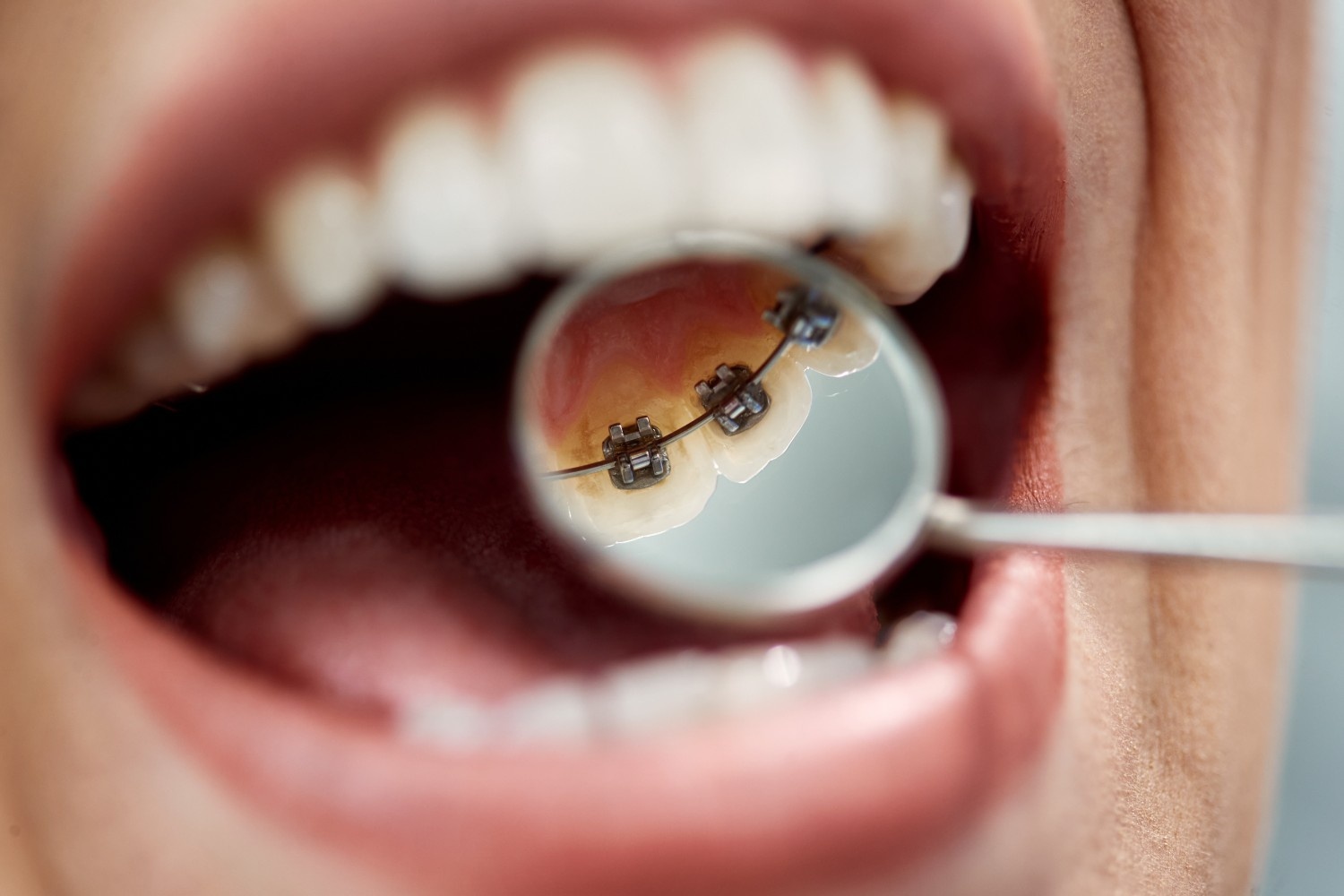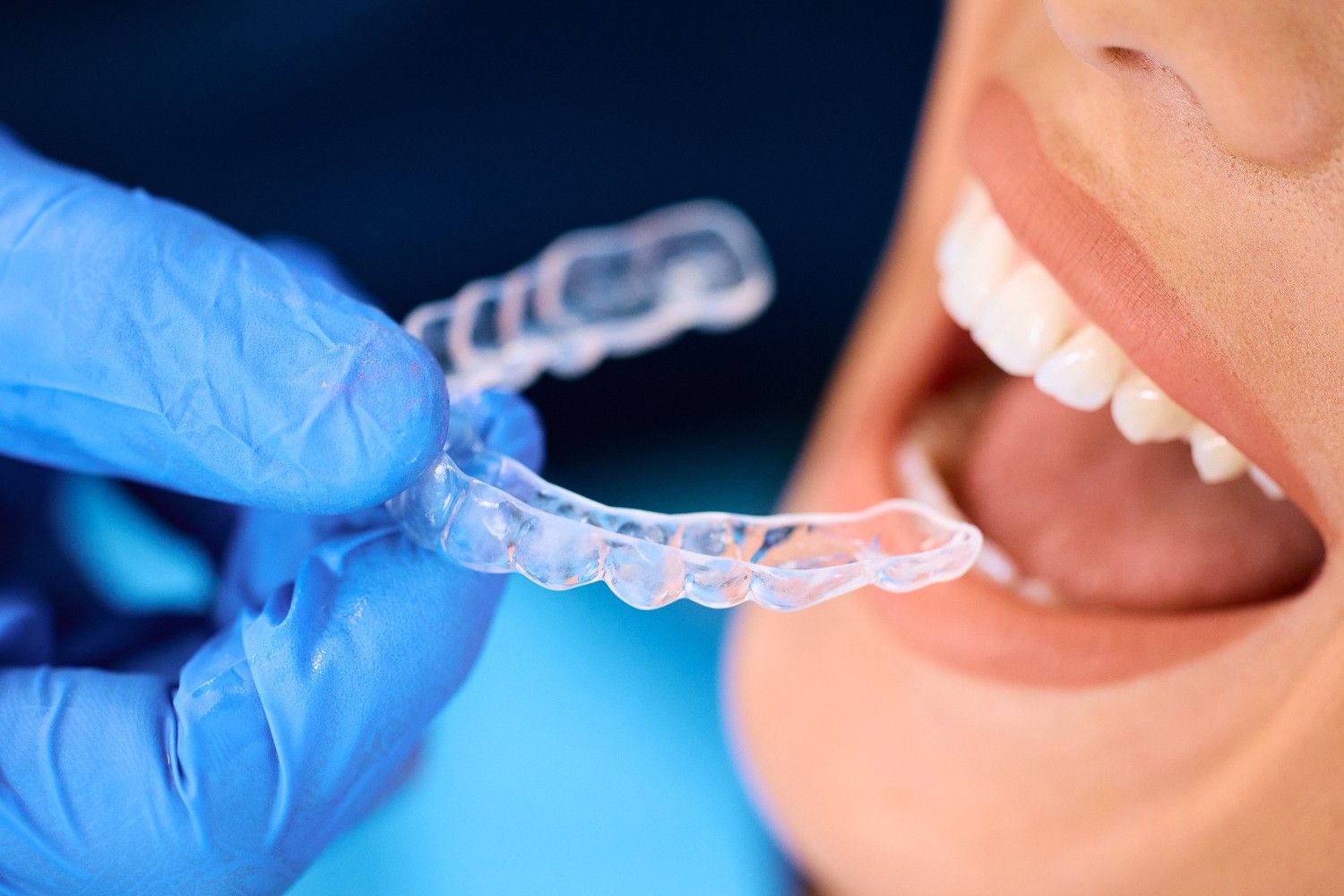

Both Invisalign and traditional braces are proven ways to straighten teeth, each with their own set of benefits and considerations.
As expert orthodontists in Sydney, we offer both solutions, so we’re often asked which option is best.
If you’re thinking about straightening your smile, you might be wondering: Is Invisalign better than braces?
The main difference between braces vs Invisalign is in their respective applications, everyday use, and aesthetics, with some additional variations in cost and treatment length.
In the following article, we’ll look at the difference between Invisalign and braces, the respective pros and cons, and how Orthodontics Sydney Wide can help if you’re not sure which option is right for you.
Braces vs Invisalign: Pros and Cons
When it comes to traditional braces vs Invisalign, both treatments can help you address oral issues like gaps, overbites, underbites, and crowding.
The table below outlines the difference between Invisalign and braces, as well as advantages and disadvantages of each, so you can decide what the best choice is for you.
| Aspect | Traditional Braces | Invisalign (Clear Aligners) |
|---|---|---|
| Appearance | Visible metal or ceramic brackets and wires, noticeable when you smile. | Nearly invisible clear aligners, discreet and aesthetic. |
| Effectiveness | Highly effective for complex and severe orthodontic issues (e.g. significant bite problems, rotations). | Best suited for mild–moderate cases, but may not be ideal for severe or complicated alignment issues. |
| Removability & Convenience | Fixed in place. | Removable for eating, brushing and flossing. |
| Cost | Often more affordable option overall. | Can be more expensive, especially for complex cases requiring many aligner sets. |
| Comfort | Metal brackets and wires can irritate gums and cheeks, especially after adjustments. | Smooth plastic aligners are generally more comfortable with less irritation. |
| Oral Hygiene | Brushing and flossing are more challenging with brackets and wires. | Easy to maintain oral hygiene since aligners are removed. |
| Patient Compliance | Less reliant on patient behaviour | Requires discipline to wear 20-22 hours/day for effective results. |
| Dietary Restrictions | Avoid sticky, hard or crunchy foods. | No restrictions, just make sure to take aligners out before eating. |
Invisalign vs Braces: Which Is Faster?
Treatment length depends on your unique orthodontic situation, but here are a few general timeframes :
- Invisalign: Treatment time for Invisalign usually ranges from 12 to 18 months if you stay properly committed to the strict wearing schedule. However, this timeframe can vary depending on the complexity of your case and how closely you follow your treatment.
- Braces: Traditionally, braces require a longer treatment period, ranging from an average of 18 months to 3 years. Some sever cases can extend beyond that range as well. Traditional braces remain the best option for people with complex cases, which invariably take longer to correct.
Braces vs Invisalign Treatment Process
Invisalign Process:
- Consultation: An expert from the OSW team will perform a thorough assessment of your teeth and decide whether or not Invisalign is the correct treatment for you. At this stage, your orthodontist will discuss any questions you may have about the treatment journey.
- Scans and Treatment Planning: Our orthodontists will take 3D scans to create a digital model and develop a personalised treatment plan.
- Custom Design: Your custom Invisalign aligners will be created using 3D printing technology, and our expert team will teach you how to wear them correctly.
- Commitment and Ongoing Monitoring: You will need to wear your aligners for 20-22 hours a day, with exceptions for eating and brushing. Check-ups will also be scheduled to monitor progress and make adjustments as required.
Braces Process:
- Consultation: As with Invisalign, one of our experienced orthodontists will examine your teeth and discuss the best course of action. In this discussion, they will present the most suitable options for you, as well as a general outline of the expected timeline for treatment.
- Placement: Before placement, your teeth will be thoroughly cleaned. From here, the brackets, archwires, and bands will be installed, and your treatment timeline will officially begin.
- Ongoing Treatment: Regular appointments are required for adjustments and to ensure that your teeth are shifting as expected. Special care regarding oral hygiene is required to prevent issues like cavities and gum disease.
Ready to Start Your Orthodontic Journey? Contact us at OSW
If you’re looking for an orthodontist in Sydney, Orthodontics Sydney Wide (OSW) has been the trusted choice for generations.
Our expert team of orthodontists can help you navigate your options and provide you with a personalised treatment plan that addresses your needs.
Ready to take the first step towards your dream smile? Book a consultation with us today at OSW.