
Do I Have an Overbite or an Underbite?
Malocclusion can affect between 39% and 93% of children and adolescents worldwide, making it one of the most widespread oral health issues after tooth decay and gum disease.
Underbites and overbites are both commonly occurring malocclusions.
While they have some overlapping causes, effects, and orthodontic solutions, there is also some variation in severity and impact.
The difference between an overbite and an underbite might seem obvious, but they can be harder to identify in practice.
As leading orthodontists in Sydney, OSW can help you identify what is causing your bite issues, and build a treatment plan that best addresses your concerns.
If you’re not sure which malocclusion you have, the following article can help you identify the issue you’re facing, as well as what treatment options might be available to you.
What is an overbite?
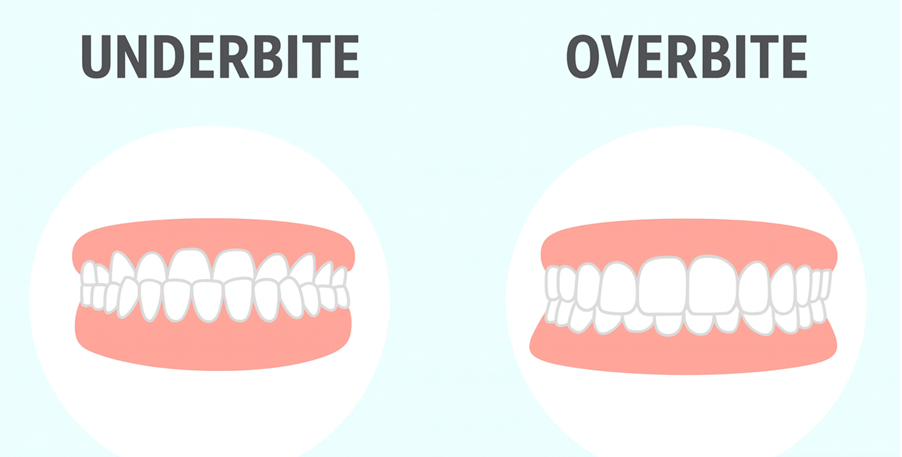
Around 20% of people have a Class II malocclusion, which commonly presents as an overbite. As the name suggests, an overbite occurs when your upper front teeth overlap the lower front teeth.
To a degree, this overlap is normal.
However, when the overlap is excessive, bite problems can occur.
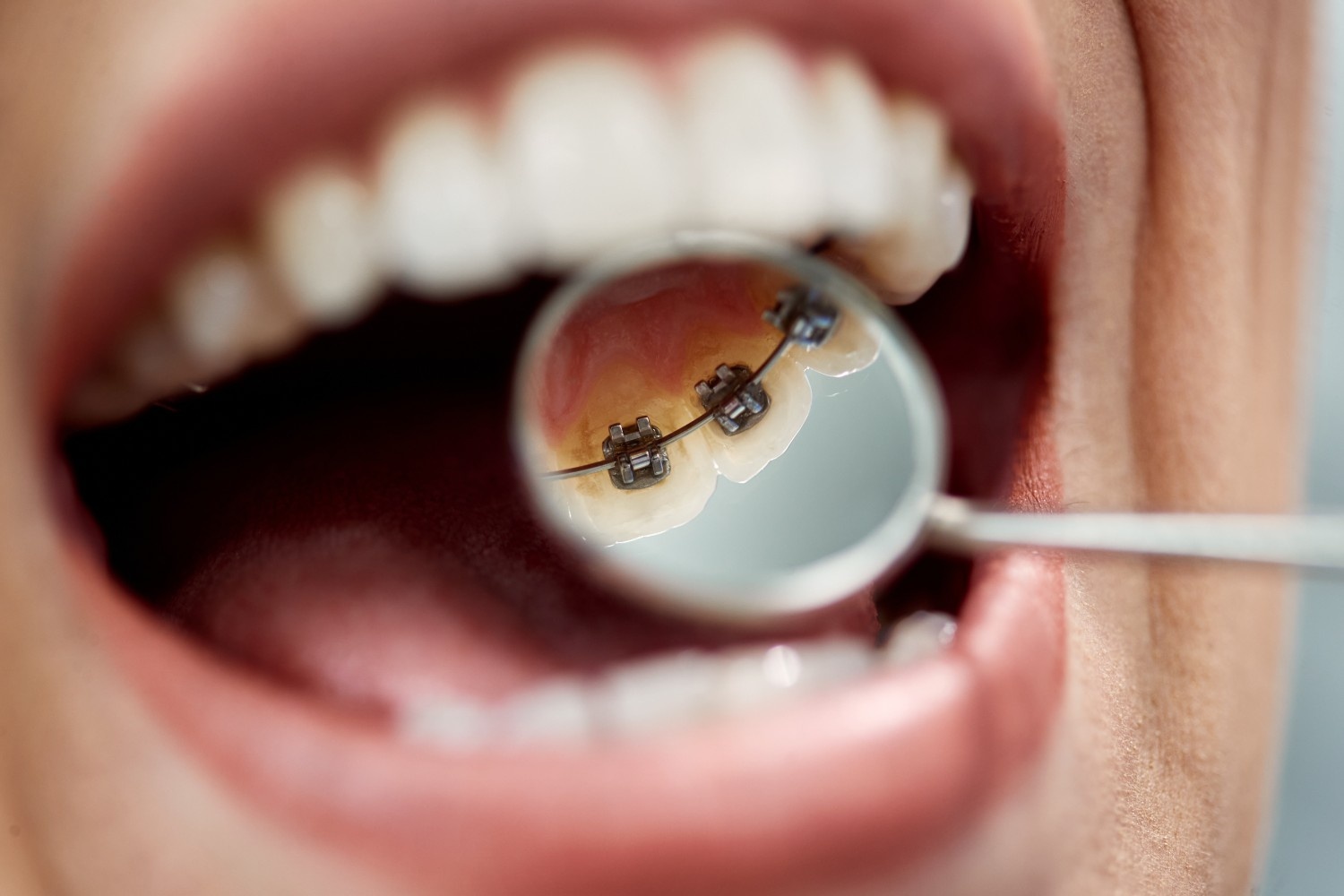
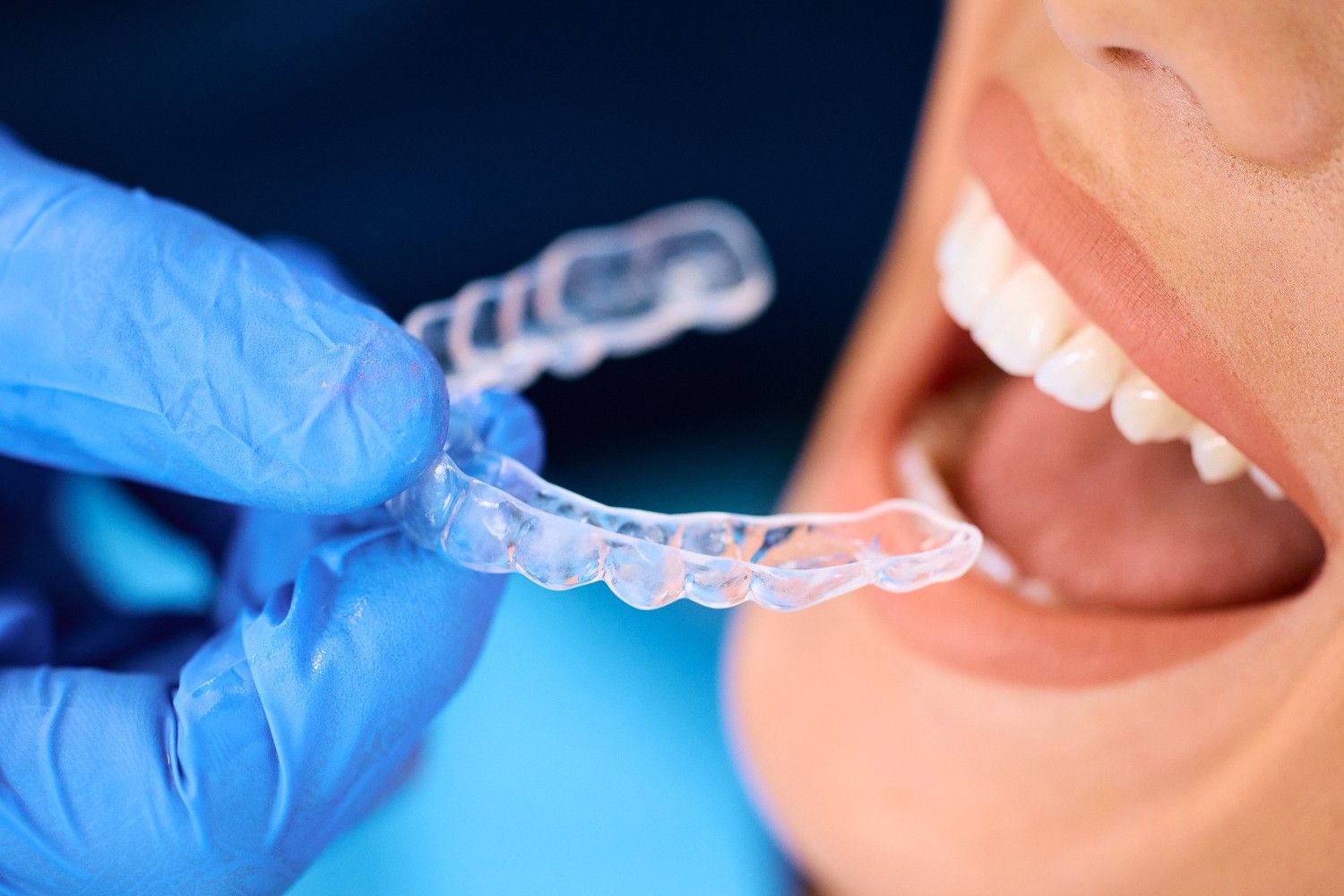
Most overbites can be corrected by standard orthodontic solutions to reposition the teeth, including braces and aligners.
What is an underbite?
Underbites (a Class III malocclusion) are much less common, affecting roughly 3–7% of the population.
An underbite occurs when the lower teeth sit in front of the upper teeth.
This is generally considered a more serious malocclusion, and any instance of an underbite is considered irregular, unlike slight overbites which can be normal.
Additionally, underbites are often skeletal in origin, and severe cases may need to be corrected by orthognathic surgery.
What causes an overbite or an underbite?
Both overbites and underbites are usually influenced by how the jaws and teeth develop as a child grows. In many cases, genetics play a big role.
If a parent has an irregular alignment, a child may inherit similar jaw shapes or tooth positions.
Differences in jaw growth (such as the upper jaw growing more than the lower jaw, or vice versa) can also lead to an overbite or an underbite.
Habitual factors in childhood, like prolonged thumb‑sucking, extended pacifier use or tongue‑thrusting, may also contribute to bite differences.
Finally, early loss of baby teeth and crowding from limited space in the mouth can affect how the bite develops.
Overbite vs Underbite vs Normal
| Category | Overbite | Underbite |
|---|---|---|
| Definition | A bite where the upper front teeth overlap the lower front teeth excessively. A small overlap is normal, but too much is considered a malocclusion. | A bite where the lower front teeth sit in front of the upper teeth when the mouth is closed. |
| Orthodontic Classification | Often associated with Class II malocclusion (upper jaw forward or lower jaw small). | Typically Class III malocclusion (lower jaw protrudes forward). |
| Normal vs Abnormal | A mild overbite is normal and protects teeth from hitting each other; excessive overlap becomes problematic. | Any case where the lower teeth extend beyond the upper teeth is considered abnormal. |
| Appearance | Often linked to a receding chin or “weak chin” profile. | Often produces a prominent chin or “bulldog” appearance. |
| Common Causes (Genetics) | Small lower jaw, large upper jaw, or inherited jaw alignment. | The lower jaw grows too much or the upper jaw grows too little. |
| Common Causes (Childhood Habits) | Thumb-sucking, prolonged pacifier use, tongue-thrusting, teeth grinding. | Prolonged bottle feeding, thumb-sucking, oral habits affecting jaw development. |
| Dental vs Skeletal Causes | Can be dental (tooth position) or skeletal (jaw size mismatch). | More often skeletal, involving jaw growth differences. |
| Common Symptoms | Teeth wear, difficulty biting certain foods, jaw discomfort, deep bite appearance. | Difficulty chewing, jaw strain, speech issues (e.g., lisp), protruding lower jaw. |
| Dental Effects | Excessive wear on front teeth which can lead to gum irritation, soft tissue injury. | Faster wear on teeth which may lead to an increased risk of damage to lower teeth. |
| Jaw / TMJ Effects | May cause TMJ pain, headaches, and jaw clicking. | Can lead to jaw pain, headaches, TMJ dysfunction. |
| Diagnosis | Dental exam, bite analysis, X-rays, orthodontic measurements. | Same diagnostic process. |
| Prevalence | More common type of bite misalignment. | Less common but often more visually obvious. |
Treatment options for overbite vs underbite
Both overbites and underbites can usually be corrected with orthodontic treatment.
The right approach depends on how severe the bite misalignment is and whether the problem involves the teeth, the jaw, or both, as well as the age of the patient.
Overbite treatment:
- Braces or clear aligners gradually move the teeth into a better position and are the most common solution.
- Orthodontic appliances may be used in children to guide jaw growth while the mouth is still developing.
- Jaw surgery may be recommended for severe cases caused by jaw structure rather than tooth position.
Underbite treatment:
- Braces or clear aligners are often used to shift the teeth and improve the bite.
- Growth-guiding appliances or headgear may help correct jaw development in younger patients.
- Jaw surgery may be required when the lower jaw extends significantly forward.
In many cases, orthodontic treatment alone is enough to improve the bite.
More complex cases may require a combination of orthodontics and jaw correction to achieve the best result.
When to see a dentist or an orthodontist
You should see an orthodontist if you notice signs that your teeth or jaws are not aligning properly.
These signs may manifest as difficulty biting or chewing, jaw discomfort, or noticeably protruding upper or lower teeth.
For children, orthodontists generally advise having a first evaluation around age 7, when a mix of baby and adult teeth allows the orthodontist to assess how the bite and jaw are developing and identify issues like overbites or underbites early.
Early assessment can help guide jaw growth and prevent more complex problems later, although people of any age can still benefit from orthodontic treatment if bite concerns arise.
Whether you have an overbite or an underbite, at OSW we know that your smile is about more than just teeth. It’s about putting your best face forward.
With over 50 years of experience straightening teeth using Invisalign, clear aligners, traditional braces and lingual braces, our dedicated Sydney orthodontists can give you expert, tailored advice on how to achieve your smile goals.
Book a consultation with Orthodontics Sydney Wide in Hurstville, Epping or Parramatta today.